
Wedge Welding Machine Settings: Temperature, Speed & Pressure for Perfect Seams
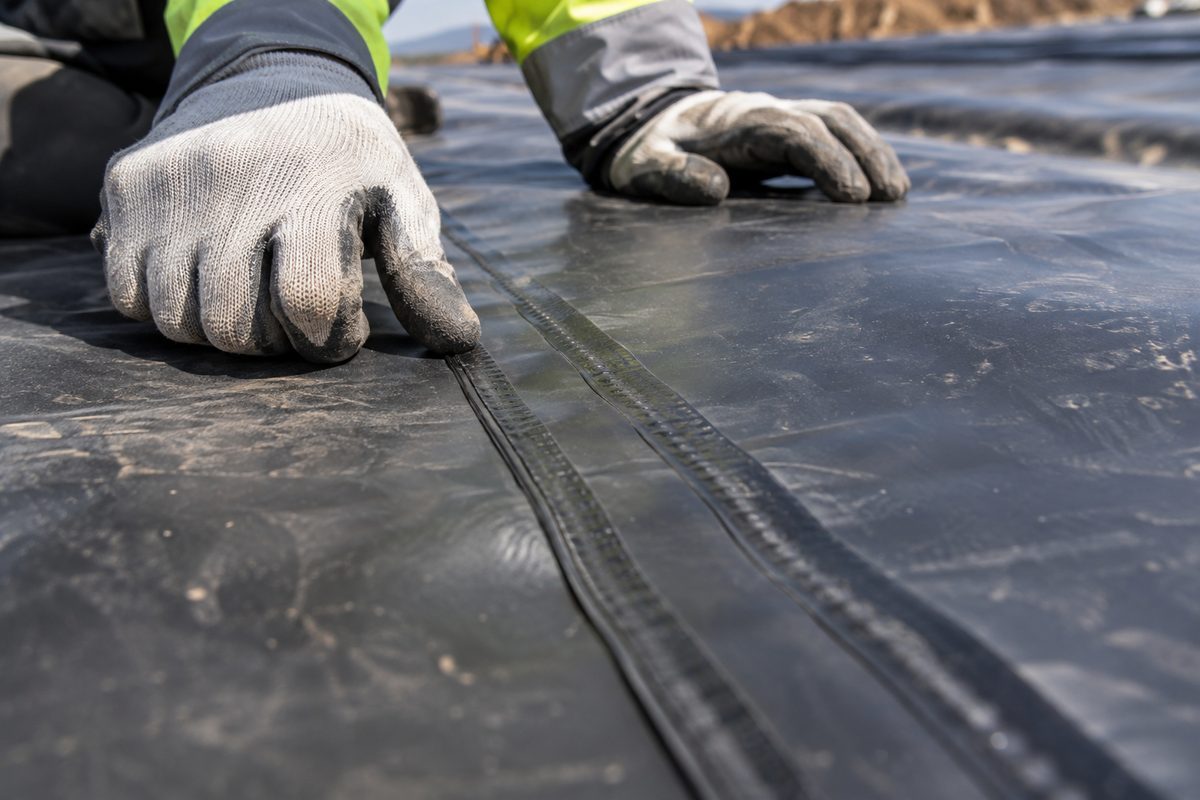
A hot wedge welding machine produces geomembrane seams through the interaction of exactly three variables: wedge temperature, travel speed and roller pressure. Master how they trade against each other and machines like the IZ-900 deliver kilometre after kilometre of passing seams. Guess at them and every panel becomes a gamble.
The triangle: heat, speed, pressure
- Temperature sets how molten the sheet surfaces become as they cross the wedge. HDPE needs substantially more heat than PVC; thicker liner needs more energy than thin.
- Speed is dwell time in disguise — faster travel means less heat absorbed. Raising speed without raising temperature produces the classic cold seam that peels open in testing.
- Pressure forges the molten surfaces together. Too little leaves voids; excessive pressure squeezes out molten material and thins the seam ("squeeze-out"), weakening it.
Setting up: the trial seam procedure
- Cut two strips of the day's actual liner and run a seam at your starting settings.
- Let it cool fully — hot seams always feel strong.
- Peel-test both tracks and shear-test the seam; the liner should yield before the weld separates (Film Tear Bond).
- Adjust one variable at a time and repeat until tests pass, then record the settings with time and ambient temperature.
- Re-verify after breaks, at midday, and whenever the material batch changes.
Reading the seam as you weld
A healthy dual-track seam shows a slight, even gloss and a small uniform squeeze-out at the track edges; the sheets track straight into the machine without wrinkles feeding in. Watch the first metres after every start — most defects live where the machine was climbing to stable temperature. Wrinkle management matters too: HDPE moves with temperature, and feeding a tensioned or wrinkled overlap guarantees fishmouths (see our installation mistakes checklist).
Air testing the finished seam
The channel between the two weld tracks is your proof. Seal both ends, insert the needle, pressurise, wait the specified period, and log the pressure drop. A passing test plus your recorded settings sheet is exactly the documentation CQA engineers want — and it is far cheaper than cutting destructive samples from every panel.
Every IZ-900 wedge welder we supply from Dubai includes this procedure in its commissioning notes, with remote settings support on WhatsApp for crews in the field across the GCC and Africa. Request a quotation for the machine, spare wedge and rollers together — the IZ-900 leads the seaming line-up of your wedge welding machine supplier in the UAE.